Chiropractic Care for Seniors in Hilton Head Island and Sun City, SC: Benefits and Safety
Chiropractic care for seniors can be safe and helpful for back pain, neck pain, and stiffness when it begins with a careful exam and uses gentle, low-force techniques. Older adults with osteoporosis, blood thinners, or recent fractures need modified care and sometimes physician clearance first. Learn how chiropractic care works for older adults and what to expect on your first visit.
Is Chiropractic Care Safe for Seniors?
For many older adults, chiropractic care that starts with a careful exam appears to carry a low risk of serious harm, although research on people over 65 is still limited. A 2012 review in Chiropractic & Manual Therapies by Dougherty and colleagues reported no serious adverse events linked to spinal manipulation in the trials it examined, which included older adults, while noting that studies defined side effects differently. A 2015 study in Spine, described by AARP, found 40 injury incidents per 100,000 older adults within seven days of a chiropractic visit, compared with 153 per 100,000 after a primary care visit. The NIH National Center for Complementary and Integrative Health notes that mild soreness, stiffness, or headache after manipulation is common and usually fades within 24 hours. Results vary from person to person, so a thorough history, a review of medications, and gentle techniques matter more as we age.
What Are the Benefits of Chiropractic Care for Seniors in Hilton Head Island and Sun City?
The main benefit for most seniors is relief of back and neck pain, which are the most common reasons older adults visit a chiropractor. The American College of Physicians 2017 guideline lists spinal manipulation among the nondrug options for acute and chronic low back pain, alongside exercise, heat, and other therapies. Some research also points to indirect benefits. A 2022 study of 9,356 Medicare beneficiaries, published in Chiropractic & Manual Therapies and summarized by AARP, linked chiropractic use with a 56 percent lower risk of opioid use, though that type of study shows an association, not cause and effect. In Hilton Head Island, Bluffton, and the Sun City Hilton Head community, many retirees stay active with golf, tennis, pickleball, biking, and beach walks. Easing stiffness and pain can help some people keep doing the activities they enjoy, which supports strength and independence over time.
What Gentle Chiropractic Techniques Are Used for Older Adults?
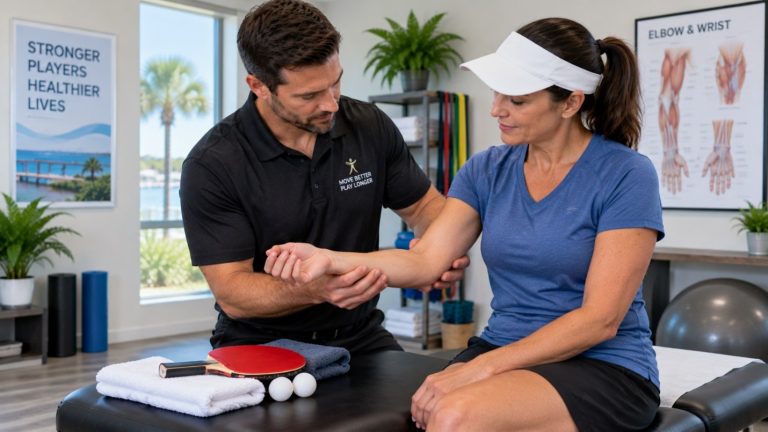
Chiropractors often adapt care for older adults by using lower-force techniques that move joints with less speed and pressure. The 2012 Dougherty review described two trials in adults 55 and older that compared higher-force and lower-force approaches and found comparable results, though the authors called for more research. Your plan may change based on bone health, joint replacements, balance, and how your body responds from visit to visit. A gentle approach does not mean a passive one. Many plans pair hands-on care with simple home exercises, because staying active is one of the most reliable ways to protect long-term back and joint health. You can always ask the chiropractor to explain each technique before it starts, and you can decline any part of care that makes you uncomfortable. Common low-force options include the following.
• Mobilization, which moves a joint slowly through its range of motion
• Instrument-assisted adjustments that deliver a light, controlled impulse
• Flexion-distraction and drop-table techniques that limit twisting
• Soft tissue work and stretching for tight muscles
• Balance, posture, and strengthening exercises you can do at home
Can Seniors With Osteoporosis, Blood Thinners, or a Recent Fracture See a Chiropractor?
Often yes, but care needs to be modified, and some situations call for medical clearance first. People with osteoporosis may still benefit from lighter force, while Mayo Clinic, as cited by AARP, advises against spinal adjustments for severe osteoporosis. For people taking blood thinners or long-term corticosteroids, chiropractic researchers quoted by AARP recommend light-pressure techniques to lower the risk of bruising and bleeding. A recent fracture, a new joint replacement, or recent spinal surgery means no manipulation of that area until your physician confirms it has healed. Bring a list of your medications and any recent bone density, imaging, or surgical reports to your first visit. When something in your history raises a question, a responsible chiropractor coordinates with your physician before treatment. Seek medical care before chiropractic care if you notice any of these warning signs.
• Back pain after a fall, especially if you have osteoporosis
• New weakness, numbness, or trouble walking
• Loss of bladder or bowel control, or numbness in the groin or inner thighs
• Fever, unexplained weight loss, or a history of cancer with new back pain
• Sudden severe headache, slurred speech, facial droop, or vision changes
• Chest pain or shortness of breath with upper back pain
Can Chiropractic Care Help Seniors With Balance and Fall Prevention?
Chiropractic care may support balance indirectly, but current research is not strong enough to say it prevents falls. The CDC reports that more than one out of four older adults falls each year, and it lists lower body weakness, walking and balance problems, certain medicines, vision problems, foot pain, and home hazards as risk factors that can often be changed. Exercise that targets strength, gait, and balance has the clearest evidence for lowering fall risk, and the Dougherty review recommended that chiropractors ask older patients about their falls history. AARP also notes a 2022 report in BMC Musculoskeletal Disorders that found too little data to confirm chiropractic care itself reduces falls. A practical approach combines pain relief with corrective exercises for hip and leg strength, a medication review with your physician, and regular vision checks. If you have fallen recently, tell both your doctor and your chiropractor.
Does Medicare Cover Chiropractic Care in Hilton Head Island, SC?
Original Medicare Part B covers only manual manipulation of the spine to correct a subluxation, which Medicare describes as a joint that does not move properly. It does not cover other services or tests a chiropractor orders, such as X-rays, massage therapy, or acupuncture. After the Part B deductible, you typically pay 20 percent of the Medicare-approved amount. Medicare also expects active treatment that is improving a problem, so ongoing maintenance or wellness visits are generally not covered, and you may be asked to sign an Advance Beneficiary Notice before receiving a service Medicare may deny. Medicare Advantage plans can have different rules, networks, and copays. Before your first visit, ask our office whether your plan, including Medicare, applies. Our chiropractor cost guide explains typical price ranges, insurance basics, and questions to ask so there are fewer surprises.
How Can Main Street Chiropractic Help With Chiropractic Care for Seniors in Hilton Head Island, SC?
Main Street Chiropractic brings more than a decade of experience to gentle, individualized care for older adults. Every new patient starts with a detailed health history and exam before any treatment, so the plan reflects your bone health, medications, balance, and goals. When your history calls for it, our chiropractor coordinates with your physician before and during care. We serve patients from Hilton Head Island, Bluffton, and Sun City, and most major insurance plans are accepted, so ask about yours. Visit us at 92 Main Street, Suite D, Hilton Head Island, SC 29926, call 843-342-3333, or use our online scheduling page to request a visit. Results vary, and we will explain what to expect before care begins. This article is for general information and is not medical advice.
Frequently Asked Questions About Chiropractic Care for Seniors
There is no set age limit. Chiropractors see patients in their 70s, 80s, and beyond, but care is adjusted for bone density, joint health, medications, and balance. The key is a thorough history and exam before treatment. If you have osteoporosis, a joint replacement, or take blood thinners, say so at your first visit so techniques can be modified or your physician can be consulted first.
It depends on the problem, how long you have had it, and how you respond. Many people start with a short series of visits and then reassess within a few weeks. If pain is not improving, the plan should change or you should be referred elsewhere. Original Medicare generally covers only active treatment that is improving a problem, not ongoing maintenance visits.
Chiropractic care may ease stiffness and pain from osteoarthritis in the spine and some joints, but it does not reverse joint changes. Gentle mobilization, soft tissue work, and exercises can help some people move more comfortably, and results vary. Inflammatory types of arthritis, such as rheumatoid arthritis, need management by a physician, and flares with hot, swollen joints should be checked medically.
Serious problems after neck manipulation are rare, but the NIH notes a possible link to cervical artery dissection, a small tear in a neck artery that can lead to stroke. Older adults may also have arthritis or bone loss in the neck. Many chiropractors use low-force mobilization for the neck instead of quick thrusts. Ask about your options, and report any history of stroke or vascular disease.
Yes, it is a good idea, especially if you have osteoporosis, heart or vascular disease, a history of cancer, or take blood thinners or steroids. AARP suggests discussing chiropractic care with your primary care physician first. Bring your medication list to your first chiropractic visit so the chiropractor can plan safe care and coordinate with your doctor when needed.
Not always. X-rays are usually reserved for people with a history of trauma, suspected fracture, significant bone loss, or warning signs found during the exam. Many cases of back pain do not need imaging at the start. If you already have recent imaging, bring the reports with you. Keep in mind that Original Medicare does not cover X-rays ordered by a chiropractor.